
Hi moms and moms-to-be (and dads?)!
Welcome to this blog.
I love being a mother! I try to be a compassionate and gentle mother, although I have to admit that patience is something that doesn’t always come naturally for me. On my personal parenting journey, homebirthing, breastfeeding, and positive discipline have turned out to be important. In my spare time (yes, I still have some!) I love sewing, experimenting with cooking, and travel.
I am passionate (and ever so slightly nerdy) about all topics related to the female body, trying to conceive, pregnancy, and birth.
Everyone’s road to motherhood is different, and we all face our own obstacles. In this blog, I will try to provide as much information on the topic of getting pregnant, fertility and fertility problems as possible, to hopefully make the journey a bit more easy to navigate through, for everyone trying to conceive and those for whom making a baby didn’t turn out to be as simple as they hoped.
Is there any subject you would like to see covered, but isn’t yet? Do you have any questions or suggestions? Please feel free to email me!

Recent Articles

Yoga is For Everyone
The Importance Of Yoga In Our Modern Fast-paced Lives The human body is an integrated whole of five elements. Whenever there is an imbalance in these elements the disease comes. A human being is a Part and Parcel of nature. As Sun, water, ether, air, and earth are...
read more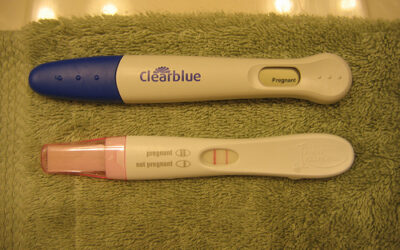
Chances of Getting Pregnant During Ovulation
If you have been wondering how to get pregnant, for a woman that is trying to conceive, the best chances for it to happen are during her more fertile days of the month when she is ovulating. Ovulation is the release of an egg from the follicle that develops within an...
read more
Insane (but true) things about getting pregnant
Have you and your partner recently decided its time to start trying for a baby, or are you just contemplating it? You may be surprised how much your life changes before you ever even see that positive pregnancy test. Youll get to know your body in new and weird ways...
read more
What seasoned moms think you should know about having a new baby
When I started writing for Trying To Conceive, I was juggling a baby and a toddler and hoping to have another one very soon. Passionate about everything from using cervical mucus to find out when you're really fertile (it works!!!) and natural childbirth to baby...
read more
Men, beware: Dont fry your sperm by overheating your testicles!
Couples who are trying to conceive are usually preoccupied with the female partners health and fertility. That is understandable since getting pregnant depends on the womans health and knowing when she is fertile to a large extent. Ovulation calendars, folic acid,...
read more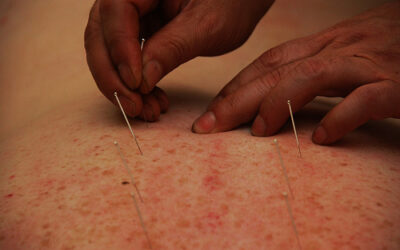
Acupuncture as an infertility treatment?
Weve all heard of acupuncture — a treatment method that involves inserting really thin needles into strategic points of the skin. Acupuncture has been used for thousands of years to treat all kinds of things, and is believed to have originated in China. Can it cure...
read more